
Shoe Storage for Small Spaces: Cabinet, Bench or Door Organizer?
Choose a shoe cabinet for suitable pairs you want contained, a bench when approved seating is genuinely needed, or door pockets for footwear that fits without interfering with the door.
This page contains affiliate links. As an Amazon Associate I earn from qualifying purchases.
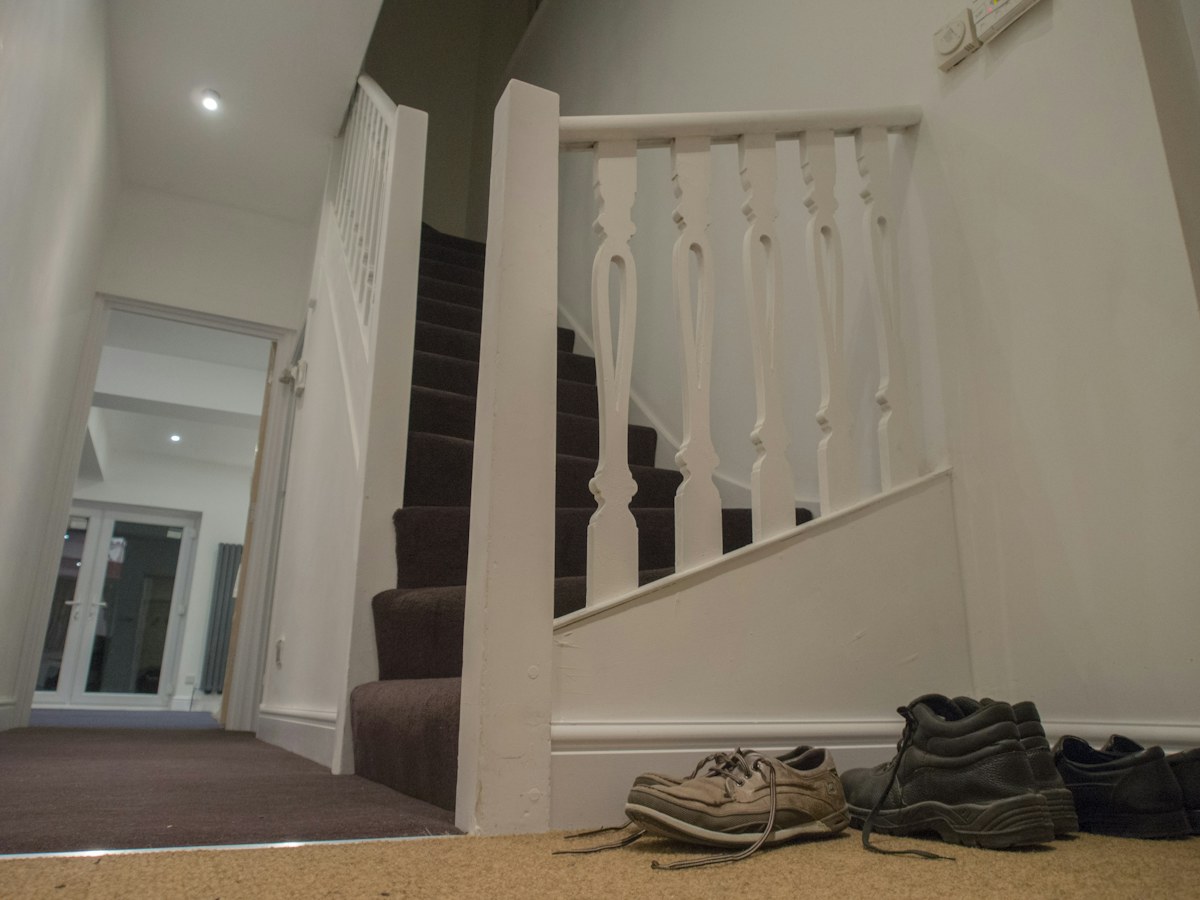
Stand where you remove shoes after coming home and inspect the door movement. A cabinet, bench and pocket organizer use that space differently. Count active pairs, identify whether approved seating is genuinely needed and include bulky footwear in the fit check. Seasonal storage belongs elsewhere if it prevents the entrance from working.
Count pairs before comparing products
Put everyday shoes in one group and occasional shoes in another. Measure the largest pair, especially boots or wide trainers. A listing may show compact flats that fit easily on a narrow shelf, while your household's shoes extend beyond its edge. Decide whether people need to see each pair quickly, whether shoes are often wet, and whether someone sits to put them on. If most pairs live inside a wardrobe, see our closet shoe-storage guide for shelves, boxes and door pockets.
If a family has several people using the same entry, give each person a limited daily zone rather than filling a single rack at random. This keeps the floor clear and makes it obvious when seasonal pairs should be moved. Keep a little free capacity so shoes can be returned without rearranging every shelf.
Match the entryway to the shoes worn this week
Count active pairs separately from seasonal pairs. Include the bulkiest footwear, not just the smallest shoe in a household. This hypothetical decision sequence assumes a small entrance used daily; it is not a capacity test of the products below.
| Option | Good reason to consider it | Critical fit check | Tradeoff |
|---|---|---|---|
| Flip-drawer cabinet | Active shoes should be contained behind a front | Internal shoe fit, opening motion and required anchoring | Boots or bulky shoes may not fit the compartments |
| Shoe bench | Someone needs a permitted seating surface when changing shoes | Seating guidance, entry route and door opening | The seat and cabinet add a floor footprint |
| Door pockets | Small suitable pairs need storage without another floor unit | Pocket dimensions, hooks and fully loaded door clearance | Larger footwear may need a separate home |
A narrow entrance with a door opening inward
Mark the door arc first, then the usable zone to stand while removing shoes. If a cabinet fits only when the door is partly closed, reject that position. A door organizer is also unsuitable if filled pockets strike the wall or furniture. Put only suitable dry footwear in pockets and choose a reachable location; a dirty wet pair needs handling appropriate to its condition before enclosed storage.
A household that needs somewhere to sit
Check a bench's stated seating use and stability instructions before treating it as a seat. A cushion in a photograph is not a load rating. If there is already a suitable chair nearby, a smaller shoe solution may preserve more floor area. Allocate active pairs beside the dressing location and move occasional pairs to appropriate closet storage.
Try the proposed position during an ordinary arrival while carrying a bag. You need a place to stand, remove footwear and put it away without holding the door at an awkward angle. Allocate suitable storage for each person’s active pairs before counting seasonal stock. If the setup is full as soon as it is installed, decide which pairs belong elsewhere rather than balancing extras on top. This checks the routine the furniture must serve without pretending to test its structure or load.
Before placing an order, draw a simple plan with the door swing and each piece's footprint. Then check whether the chosen storage can be assembled and, when required, secured in the rental. Revisit the merchant page for the exact color and size option you intend to buy; variants under one listing may have different measurements. This final check is less exciting than a room makeover, but it prevents a box from arriving that cannot be opened or used in the space.
Check the entrance during a real arrival
Rely on the bag, coat and footwear that normally come through this door. Mark the proposed furniture footprint without placing an unstable temporary structure in the route. Open the door fully, stand where you remove shoes and check whether another person can rely on the entrance. You are rehearsing the layout rather than testing a product's load or structure.
A cabinet-depth example
Suppose a hypothetical wall section allows a closed cabinet 22 centimetres deep. A selected cabinet would be 20 centimetres deep while closed, but its flip compartment projects farther when opened. The remaining two centimetres at the wall does not answer whether the entrance works during use. Record the documented opening projection and the place a person stands to load the shoes. These numbers illustrate the difference between closed fit and operating fit.
When seating matters
If a person needs to sit while changing footwear, use seating explicitly designed and documented for that purpose. A cushion or bench-shaped photograph is not sufficient evidence. maintain the bench category in the decision table, but select an actual model only after its seating, dimensions and installation requirements are established.
An existing suitable chair may already meet the seating need. In that case, a smaller compatible shoe solution can preserve more entrance space. Conversely, a household that genuinely needs an approved bench should not choose door pockets merely to avoid a footprint; the everyday routine determines which resource is worth allocating.
Handle overflow as a separate category
Put suitable active pairs in the entrance and assign seasonal pairs a reachable home elsewhere. Include bulky trainers or boots in the fit check rather than counting only pairs of flats. An entrance arrangement that starts full has no useful place for the next ordinary arrival. Reduce or relocate the overflow before purchasing capacity that extends into the route.
The linked BORNOON cabinet and Amazon Basics door pockets illustrate two different approaches, with no verified performance ranking. Compare their exact usable compartments, door clearance and instructions against this rehearsal. If neither works for the intended footwear, choose another documented solution rather than forcing the shoes into an unsuitable format.
Option one: a shallow closed cabinet
A flip-drawer shoe cabinet can maintain the visual clutter of shoes behind doors and often has a relatively shallow footprint. Check three measurements: the cabinet depth, the usable zone needed to open the drawers, and the height of shoes the compartments accept. A cabinet is a poor fit if its doors collide with the apartment entrance or if tall footwear must be bent to fit.
Option two: a bench that makes the routine easier
A shoe bench uses more floor length than a slim cabinet, and may provide a place to sit if the model explicitly permits seating. That may be more valuable than squeezing another pair into storage. check the seat height, load guidance, opening mechanism and whether the bench leaves enough room for the entrance door. A padded cushion can be pleasant, but if you need to move the cushion to reach every pair, access may become inconvenient.
The shoe storage bench is a candidate when sitting down at the entry is an actual need. Check its current layout and compartment dimensions. It is not a substitute for a narrow hallway rack when the bench would block the route. Tape its footprint on the floor and walk past it carrying shopping bags before committing.
Option three: over-door pockets
A hanging organizer can free floor space, but the door must still open and close normally. Measure the door thickness, check whether the hooks interfere with the frame and consider whether the contents will swing when the door moves. Pockets are often more useful for flats, sandals, accessories or smaller shoes than bulky boots. Put the heavier pairs lower and do not overload the top of the door. For other places to reclaim floor space, browse the room-by-room apartment guide.
The Amazon Basics mesh-pocket organizer is one example of this approach. It solves a different constraint from a cabinet or bench: it uses door area rather than floor area. It is worth checking when a closet or utility door has clearance and the pocket size suits your shoes. If the only available door is the main entrance, think about security, appearance and the door's full opening path first.
Plan for muddy and wet days
Storage photos rarely show rainy shoes. Leave an easy-to-clean landing place for damp footwear and let it dry before closing it inside a cabinet or upholstered bench. A small mat can define this zone. Place it where it does not catch the door or create a tripping edge. If the entry has no such space, rotate one or two pairs at a time rather than bringing the whole shoe collection beside the door.
Review the setup after a week. If shoes keep returning to the floor, the storage may be too hard to reach, too full, or too far from where footwear comes off. Fix that friction before ordering more storage hardware.
Finish the arrangement for Shoe Storage for Small Spaces
Choose the entrance solution you can use with the door fully operating and a bag in your hand. Allocate active pairs first and move the overflow before adding a larger storage piece.
Start with the shoes you actually wear
Count the pairs that live by the entrance on an ordinary weekday. Tall boots, muddy trainers, and needed regularly slip-ons need different clearances. A narrow cabinet is tidy when closed, but only if its door can open fully.
A bench earns its footprint if someone regularly sits to put on shoes. A door organizer saves floor space but must not interfere with hinges, handles, or the door frame.
A quick decision checklist
- Measure the exact location, including the footprint needed to open doors, lids or drawers.
- Confirm the selected product variant and dimensions on the current manufacturer's listing.
- Consider cleaning, accessibility and whether the item can be returned or moved if the layout changes.
- Choose the simplest option that removes a recurring inconvenience rather than adding storage for its own sake.
Related guides for the next decision
For shoe storage for small spaces specifically, different rooms often compete for the same limited storage. These guides address adjacent choices without assuming that every home calls for another product.
- How to Choose a Storage Ottoman for a Small Apartment — Choose a storage ottoman only when its footprint, opening motion and permitted uses match the job you need.
- Small Apartment Storage Ideas, Room by Room — Start with the place where belongings enter or get used, and assign each category a reachable home there.
- Small Apartment Living Room Ideas That Add Storage Without Crowding the Room — keep the route through the living room clear, then assign storage to the activities that actually happen besid
- Shoe Storage for a Closet: Shelves, Boxes and Door Pockets — Keep daily shoes visible and reachable, and reserve labeled boxes for suitable occasional footwear.
- How to Organize a Small Closet Before Buying More Organizers — Sort the closet before spending on another piece an organizer: return active hanging clothes, assign folded categories to usable
- Small Bathroom Storage Ideas for Counters, Walls and Under the Sink — Clear a small bathroom by giving the counter, sink cabinet, shower and wall separate jobs while preserving acc
Product candidates for Shoe Storage for Small Spaces

Over the Door Organizer
Chosen for Shoe Storage for Small Spaces: it uses the door face, so it adds storage without taking floor or shelf space. Check the floor footprint and the walking route the unit would narrow.
VIEW AT AMAZON.COM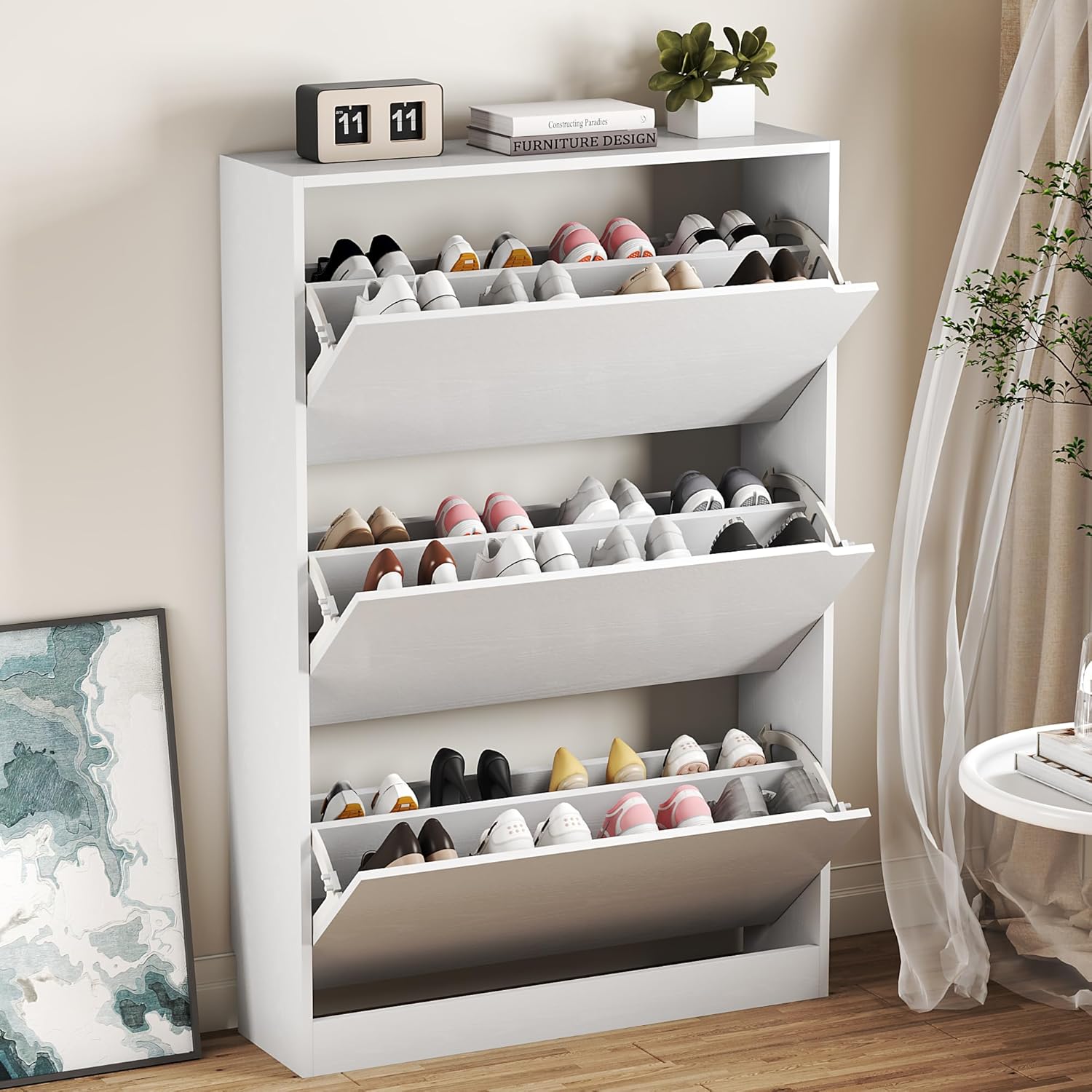
BORNOON three-drawer shoe cabinet
Matched to Shoe Storage for Small Spaces: it closes the contents away, which suits a room that has to look calm. Confirm it clears the door and the stair turn on the way into the room.
VIEW AT AMAZON.COM
Durmmur 2 Pack Pot Lid Organizer, 6-Tier Lid Holder for Cabinet Door & Wall
Shortlisted for Shoe Storage for Small Spaces: it separates categories by level so a single reach does not disturb the rest. Verify the load rating before it carries the full contents of the space.
VIEW AT AMAZON.COMKeep exploring
 Closet
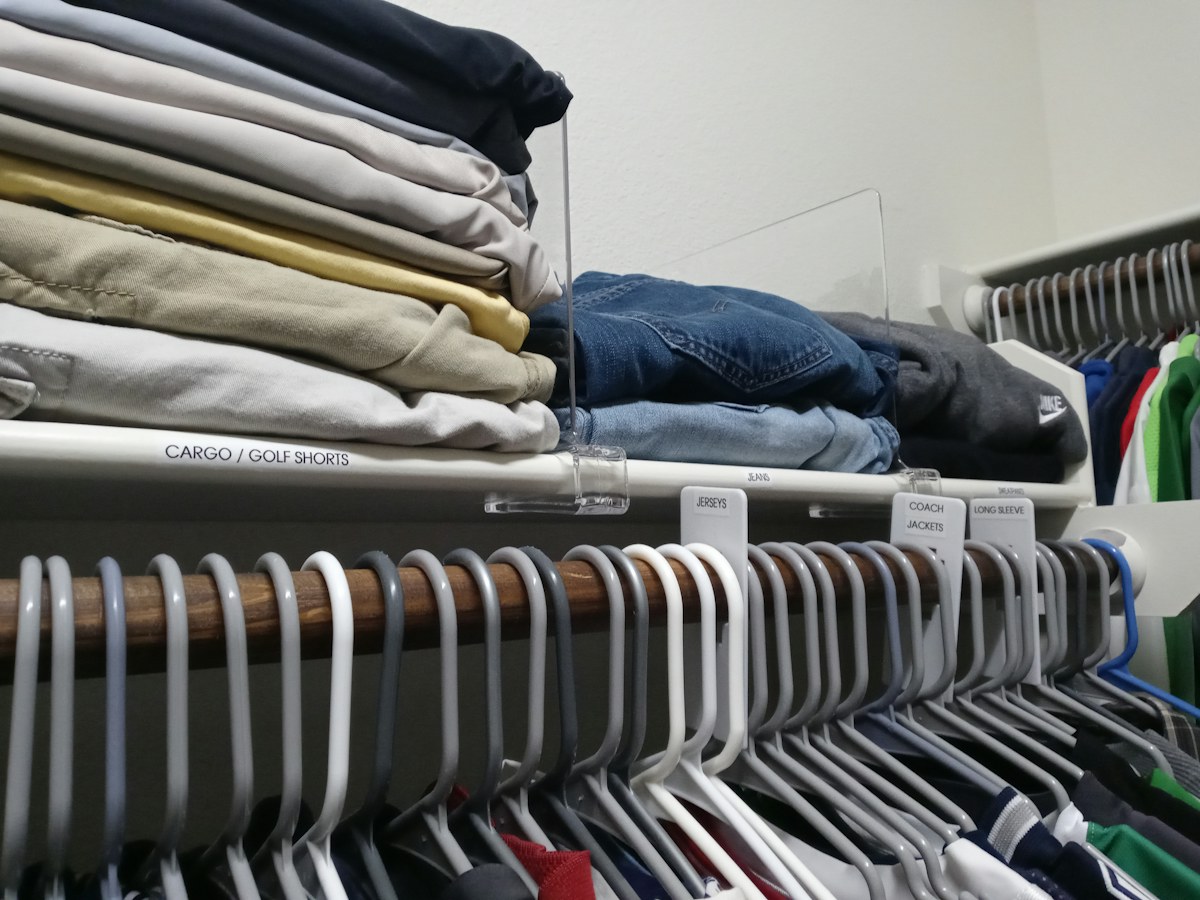
Shoe Storage for a Closet: Shelves, Boxes and Door Pockets
Keep daily shoes visible and reachable, and reserve labeled boxes for suitable occasional footwear.
SPACEKINDLY Closet
Shoe Boxes or an Open Rack: Compare Visibility and Daily Access
A practical guide to closet shoe boxes vs rack, focused on fit, access, measurements and buying conditions.
SPACEKINDLY Closet
Hat Storage in a Closet: Match the Organizer to the Hat Shape
A practical guide to closet hat storage ideas, focused on access, measurements, tradeoffs and purchase conditions.
SPACEKINDLY