
Shoe Boxes or an Open Rack: Compare Visibility and Daily Access
A practical guide to closet shoe boxes vs rack, focused on fit, access, measurements and buying conditions.
This page contains affiliate links. As an Amazon Associate I earn from qualifying purchases.
Define the problem before buying for Shoe Boxes Or an Open Rack
Start by treating closet shoe boxes vs rack as a space-planning question rather than a shopping list. Empty the immediate area, note what is used every day versus occasionally, and identify the motion that currently fails: reaching, opening, lifting, hanging, drying, or returning an item. The most useful organizer is the one that removes that repeated friction without creating a new obstruction.
Measure the usable area for Shoe Boxes or an Open Rack
The measurements around the closet interior decide more than the product description does. Put width, depth and height on paper with the swing of every door and drawer and the route through the room. Keep those figures beside the listing so a remembered estimate cannot quietly replace them.
Shoe Boxes Or an Open Rack: Sort by frequency and retrieval
Sort shoe boxes or an open rack by routine before you sort it by size. Daily items occupy the comfortable band, weekly items sit just outside it, and rare items take what is left. Symmetry is not the same as usability.
Sort shoe boxes or an open rack by routine before you sort it by size. Put the daily set within easy reach, the weekly set a movement further, and the seldom-used wherever the gap allows. Even divisions look tidy and work badly.
Compare the main formats for Shoe Boxes Or an Open Rack
For shoe boxes or an open rack, compare open storage, enclosed storage and movable storage by the way each one changes access. Open formats make contents visible and fast to return but can look busy. Enclosed formats reduce visual clutter but require labels or consistent categories. Movable carts, baskets and caddies can solve access problems when a fixed cabinet would block movement, but they also need a reliable parking place.
Before you commit to shoe boxes or an open rack, rehearse it with the items already in the room. Notice which items return easily, which disappear behind others and where the route narrows, then adjust a single thing. An observed problem is a better brief than a guessed one.
Shoe Boxes Or an Open Rack: Check materials and installation
Retailers revise the listing for shoe boxes or an open rack without warning, so check it on the day you buy. Look for outside size, inside clearance, hinge or slide direction, what is included and any published limit. Do not infer any of that from a styled photograph.
Before you commit to shoe boxes or an open rack, rehearse it with the items already in the room. See what slides back without thought, what you cannot find again and what gets in the way, and alter only one element. The purchase should answer what you actually watched happen.
Run a real-use scenario for Shoe Boxes Or an Open Rack
Mock up the footprint with painter’s tape, cardboard or an existing box. Then perform the actual routine: open the door, reach for the item, use it, and put it back. Repeat while another person passes through your layout if the area is shared. A good closet shoe boxes vs rack setup should reduce the number of moves needed for common tasks and should still work when the usable zone is not perfectly staged.
Product checks for Shoe Boxes or an Open Rack
The measurements around the closet interior decide more than the product description does. Jot down width, depth and height beside the opening sizes, the hinge locations and the clearance you cannot give up. Store the numbers with the product page so memory does not overwrite them.
The measurements around the closet interior decide more than the product description does. Measure width, depth and height, then the openings, the travel of moving parts and the space reserved for walking. Leave the notes next to the listing; an estimate from memory drifts.
When Shoe Boxes or an Open Rack does not need another organizer
The most useful decision is sometimes to add nothing. Excess volume, repeated purchases, unassigned ownership or misplaced items are not solved by a container. Nor does it help if the unit blocks light, demands a surface you lack, or has to be built where you cannot reach.
Shoe Boxes Or an Open Rack: A one-week test
Change one zone first and use it normally for a week. Watch where items begin to collect and which retrieval steps still feel annoying. If objects pile up in front of the new organizer, the access pattern is probably wrong even if the organizer has spare capacity. Adjust the position, category boundary or shelf height before purchasing matching pieces for the rest of the available area. This test is especially valuable for closet shoe boxes vs rack because daily habits expose problems that measurements alone cannot.
Buying checklist for Shoe Boxes Or an Open Rack
Make a column of hard limits before you shop. Note the maximum external dimensions, the minimum usable opening, the preferred access direction, and the categories the product has to hold. Mark each line required or optional, and drop any candidate that misses a required one.
Before you commit to shoe boxes or an open rack, rehearse it with the items already in the room. Observe what returns without effort, what is forgotten at the back and what interrupts the path, and move one piece at a time. That way the eventual purchase solves something you have seen rather than something you imagined.
Decision summary for Shoe Boxes or an Open Rack
The best approach to closet shoe boxes vs rack is to protect access first and add capacity second. Measure the working clearance, map items by frequency, test the movement, and then compare products that fit those constraints. If the room or routine changes, revisit the measurements in place of assuming the same organizer will continue to work. A storage system earns its place when it is easy to use and easy to reset on an ordinary day.
Product candidates for Shoe Boxes or an Open Rack

Kitsure three-tier shoe rack
Chosen for Shoe Boxes or an Open Rack: it separates categories by level so a single reach does not disturb the rest. Check the rod length, shelf depth and the clear opening width before ordering.
VIEW AT AMAZON.COM
Expandable Shoe Rack, Heavy Duty Metal Shoe Organizer for Closet
Matched to Shoe Boxes or an Open Rack: it adjusts to the width you actually measured instead of the width the room implies. Confirm the hanging drop and the internal depth against the clothes it has to hold.
VIEW AT AMAZON.COM
Amazon Basics over-door shoe organizer
Shortlisted for Shoe Boxes or an Open Rack: it gives one job a fixed home, which is what stops the drift back to clutter. Verify the fixing points and the load the rail or shelf is rated for.
VIEW AT AMAZON.COMKeep exploring
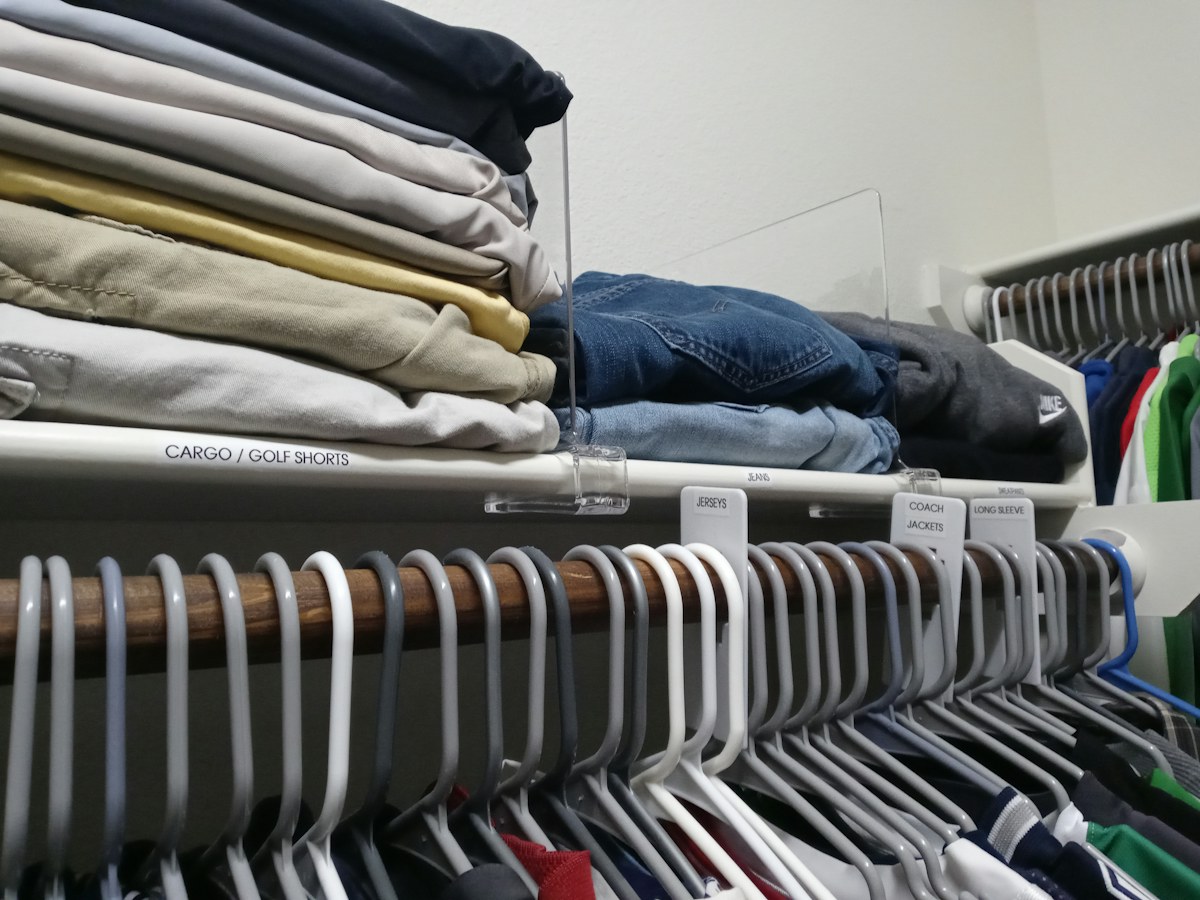 Closet
Shoe Storage for a Closet: Shelves, Boxes and Door Pockets
Keep daily shoes visible and reachable, and reserve labeled boxes for suitable occasional footwear.
SPACEKINDLY Apartment Storage
Shoe Storage for Small Spaces: Cabinet, Bench or Door Organizer?
Choose a shoe cabinet for suitable pairs you want contained, a bench when approved seating is genuinely needed, or door pockets for footwear that fits without interfering with the door.
SPACEKINDLY Small Kitchen
Pot Lid Storage: Match the Rack to Handles and Cabinet Access
A practical guide to closet shoe boxes vs rack, focused on fit, access, measurements and buying conditions.
SPACEKINDLY