
Small Apartment Storage Ideas, Room by Room
Start with the place where belongings enter or get used, and assign each category a reachable home there.
This page contains affiliate links. As an Amazon Associate I earn from qualifying purchases.
When mail, shoes, jackets and groceries all stop on the same chair, the missing storage is rarely one enormous container. Each category has lost its next destination. Follow an ordinary arrival through the apartment, then deal with the rooms in that order. The aim here is to map the household system; detailed mounting or furniture measurements belong in the linked room guides.
Begin with a small inventory, not a shopping cart
Choose one surface that repeatedly collects things. Empty it and group the contents by purpose. Keep part of the daily routine items close to the place you use them. Move items that belong elsewhere before measuring for new furniture. This is also the moment to discard packaging and duplicates that no longer serve a purpose. A container makes a crowded shelf look tidy for a week; it does not create more space when the shelf is already holding things you do not need. Start with the living-room layout guide when the sofa area handles several daily routines.
Measure usable space rather than the outside dimensions of a cabinet or niche. Account for baseboards, hinges, plumbing, outlets and your layout needed to remove a bin. If a closet opening is narrower than its interior, a wide organizer may fit inside but remain difficult to get out. Note the height of the shortest shelf, the width between fixed supports, and the path from the door to the proposed storage spot.
Follow one clutter route through the apartment
Consider a hypothetical evening arrival: keys and mail enter with you, a jacket comes off, shoes are removed and shopping reaches the kitchen. If all four categories stop on the sofa, adding a living-room bin treats the symptom. Trace the route and give each category a destination close to the action that creates it.
| Where the pile appears | Likely missing decision | First change |
|---|---|---|
| Dining chair | Where a jacket or worn-once garment returns | Assign suitable hanging space or one defined clothing spot |
| Sofa or coffee table | Where mail and small arrival items belong | Separate items needing action from items to discard or file |
| Kitchen counter | Where shopping is unpacked and stored | Clear a preparation area and group food in its actual storage zone |
| Closet floor | Which items need hanging, shelf storage or shoe space | Sort the category before selecting a container |
Choose a container only after choosing its home
A fabric cube is a grouping tool for a supported shelf or compatible cubby. A modular cube unit creates a storage structure and therefore needs floor area, suitable assembly and any required stability measures. A narrow cart adds movable shelving, but a gap beside an appliance is not automatically usable: check ventilation requirements, opening doors and access to controls. These products solve different problems even when all appear under “apartment storage.”
For the hypothetical arrival route, a cube on an existing shelf might hold everyday bags, while shoe storage stays near the door. A modular unit is unnecessary if the shelf already works. In the kitchen, use a cart only where its full movement stays outside the cooking route. Avoid making a cart the place for every category with no assigned home; it can become a pile on wheels.
This page maps the apartment rather than specifying every room's furniture. work with the kitchen counter plan for food preparation, the bedroom layout sequence for furniture paths and the bathroom zone guide for wet and dry supplies. Moving to the right specialist page is more useful than buying the same bin for every room.
Buy for the one clutter problem you can describe and measure. Test the revised arrangement for a week before spending on another piece the next piece. A room-by-room plan works when each purchase earns a clear role, not when every available corner is filled at once.
Make one arrival routine work
In an illustrative apartment, the entrance opens directly into the living room. There is no separate hall, so a large entrance console would occupy the route to the kitchen. Assign the arrival tasks to existing surfaces: keys in one defined tray, current shoes in a suitable entrance zone and the jacket in compatible hanging space. Keep mail needing action separate from items to recycle or file. None of these categories needs to share a general-purpose blanket compartment.
Test the arrangement with the bags and coat you actually bring home. If groceries still land on the sofa, check whether the kitchen unpacking area is available. If shoes still collect beside the dining chair, check whether their assigned storage is within comfortable reach while removing them. Change that destination before purchasing a larger container. The next room to improve is the one causing the interruption, not whichever room has the most empty wall.
Entryway: store arrivals where they arrive
An entry does not need a large console to work. It needs an intentional place for what people carry through the door. Shoes may need a shallow cabinet, an open rack, or a small bench depending on the number of pairs and the width of the walkway. A flip-drawer shoe cabinet can keep pairs out of view, but its doors need room to open. A shoe bench can serve someone who sits down to remove footwear, but a bench with insufficient floor clearance can make a narrow hall harder to navigate.
Put keys, transit cards and incoming mail in one small landing zone. If the entry has no wall space, use an existing shelf in the nearest room rather than adding a piece of furniture just for these objects. Keep seasonal footwear elsewhere so the everyday pairs have room to be returned quickly.
Living room: let each piece do a specific job
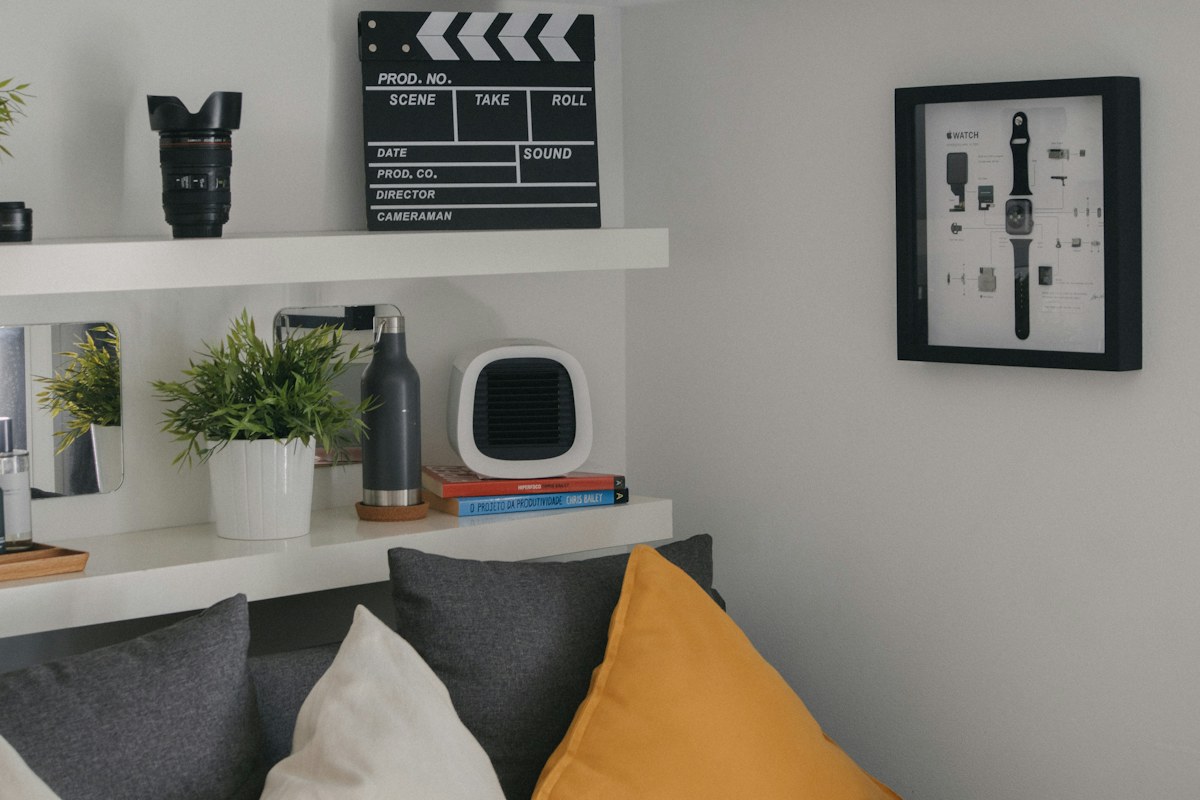
The living room often holds belongings from several activities. A lift-top coffee table may make sense if the sofa is also a work or dining spot; its compartment can hold items needed there. Fabric storage cubes work differently. They group smaller items on a shelf and make an open unit easier to use, provided the cube dimensions match the openings. A cart can be helpful for supplies that move between rooms, but it should have a parking place that does not obstruct the path.
Choose a single purpose for each compartment. A box marked "games" should not gradually fill with batteries, bills and cables. Avoid stacking more bins than you can comfortably reach. If the upper bin has to be removed every time you want something from the lower one, the arrangement is saving shelf space at the cost of everyday convenience.
Kitchen: protect the useful counter
In a small kitchen, the goal is not to hide every object. leave the tools used during daily cooking close to where the work happens, while protecting enough clear counter for food preparation. Use a cabinet's full height only after checking what will be stored there. Tall bottles and appliances need vertical clearance; dry goods in bins need labels that remain visible when the bin is on a high shelf. The closet reset guide helps you sort what belongs there before you add another bin.
A slim rolling cart may fit a gap between cabinets or beside a refrigerator, but measure the actual gap at several heights. Walls, flooring and appliance handles can make it narrower than it first appears. Check whether the cart can roll out without blocking a cabinet door. If it cannot, fixed shelves or a different storage zone may be easier to live with.
Bedroom and closet: separate current and occasional use
Daily clothes should be easy to see and return. Seasonal pieces can go higher or farther from the bed. Fabric cubes may be useful for lightweight categories on a compatible shelf, while a modular cube unit can create zones for clothing, bags or folded linens. Check whether the unit requires anchoring and whether it fits the available floor space before considering its advertised number of cubes.
Keep laundry separate from clean clothing. A hamper is not a substitute for a wardrobe, and a large storage tote is not a practical drawer for socks. A system that matches the frequency of use reduces the temptation to leave clothing on a chair. If a drawer is perpetually overflowing, remove items before purchasing a second drawer unit.
Bathroom: plan around water and access
Store used most often products where you can reach them without moving five other bottles. Under-sink organizers must fit around pipes and tolerate the types of pieces you put there. In a humid room, think about cleaning and drying the organizer as well as how much it holds. Avoid placing fragile or heavy items high above the toilet simply because that wall looks empty.
Take a photograph of each storage area after you have cleared it, then measure it. The photograph helps you remember door swing, pipe positions and outlets when reviewing a retailer listing later. It also makes it easier to see whether a proposed purchase is solving an actual problem or just filling an empty corner.
Three products, three different roles
The Amazon Basics collapsible fabric cubes in our product list are a candidate for grouping lightweight items on shelves that fit their dimensions. The AWTATOS modular cube organizer is a possible freestanding framework where a small apartment lacks shelves; follow its assembly and anchoring directions. The slim rolling cart is a candidate for a measured narrow gap and supplies that need to move. These products do not solve the same problem. Select the role first, then verify current dimensions and materials at the merchant before purchasing.
Finish the arrangement for Small Apartment Storage Ideas, Room By Room
Finish one troublesome route first. When arrivals, daily use and returning items have clear destinations, choose an accessory only for the category still lacking a practical home.
Make a storage map around daily habits
Choose a landing place for keys and bags near the door, then work inward. Keep used most often items at a height you can reach without moving another box. A cart is useful only when its wheels can travel across the real floor and it has somewhere to park.
If the same belongings are moved from room to room, identify the activity that uses them most. Storage works better when its location follows the routine rather than an empty-looking corner.
A quick decision checklist
- Measure the exact location, including the available area needed to open doors, lids or drawers.
- Confirm the selected product variant and dimensions on the current manufacturer's listing.
- Consider cleaning, accessibility and whether the item can be returned or moved if the layout changes.
- Choose the simplest option that removes a recurring inconvenience rather than adding storage for its own sake.
Related guides for the next decision
For small apartment storage ideas, room by room specifically, different rooms often compete for the same limited storage. These guides address adjacent choices without assuming that every home calls for another product.
- Small Apartment Living Room Ideas That Add Storage Without Crowding the Room — leave the route through the living room clear, then assign storage to the activities that actually happen besid
- How to Choose a Storage Ottoman for a Small Apartment — Choose a storage ottoman only when its footprint, opening motion and permitted uses match the job you need.
- Shoe Storage for Small Spaces: Cabinet, Bench or Door Organizer? — Choose a shoe cabinet for suitable pairs you want contained, a bench when approved seating is genuinely needed
- Shoe Storage for a Closet: Shelves, Boxes and Door Pockets — Keep daily shoes visible and reachable, and reserve labeled boxes for suitable occasional footwear.
- How to Organize a Small Closet Before Buying More Organizers — Sort the closet before ordering an organizer: return active hanging clothes, assign folded categories to usable
- Small Bathroom Storage Ideas for Counters, Walls and Under the Sink — Clear a small bathroom by giving the counter, sink cabinet, shower and wall separate jobs while preserving acc
Product candidates for Small Apartment Storage Ideas, Room by Room

TEENFON Storage Cabinet with Doors & 2 Drawers, Kitchen Cabinet with Adjustable Shelf, Pantry Cabinets, Bathroom Cabinets, for Living Room, Entryway, Home Office, White
Chosen for Small Apartment Storage Ideas, Room by Room: it adjusts to the width you actually measured instead of the width the room implies. Check the floor footprint and the walking route the unit would narrow.
VIEW AT AMAZON.COM
HOMIDEC Closet Organizers and Storage
Matched to Small Apartment Storage Ideas, Room by Room: it matches a measured space rather than an assumed one. Confirm it clears the door and the stair turn on the way into the room.
VIEW AT AMAZON.COM
Four-tier narrow rolling cart
Shortlisted for Small Apartment Storage Ideas, Room by Room: it moves out of the way when the room has to be cleaned or rearranged. Verify the load rating before it carries the full contents of the space.
VIEW AT AMAZON.COMKeep exploring
 Apartment Storage
A Home Office in a Small Apartment: Store Work Without Taking Over the Room
A practical guide to small apartment home office with measurements, access checks and purchase conditions.
SPACEKINDLY Apartment Storage
A Pantry for a Small Apartment: Choose a Cabinet or Existing Shelf
A practical guide to small apartment pantry with measurements, access checks and purchase conditions.
SPACEKINDLY Apartment Storage
Book Storage in a Small Apartment: Match Shelves to Reading Habits
A practical guide to small apartment book storage with measurements, access checks and purchase conditions.
SPACEKINDLY