
Upper Kitchen Cabinet Organization: Place Everyday Items Within Reach
Practical upper kitchen cabinets planning: measure the usable space, protect access, compare fit and choose storage that supports a small kitchen routine.
This page contains affiliate links. As an Amazon Associate I earn from qualifying purchases.
Plan for cleaning and resets for Upper Kitchen Cabinet Organization
Kitchen storage collects crumbs, moisture, oil and packaging debris. Favor arrangements that can be lifted, wiped or vacuumed without dismantling the entire system. Keep wet items away from materials that trap moisture, and avoid tiny compartments for objects whose sizes change. A five-minute weekly reset is more realistic than a complicated sorting ritual. For visible areas, open shelving explains why accessible displays need stricter limits than closed cabinets. If this changes the surrounding layout, also review Corner Kitchen Cabinet Storage: Choose a Retrieval Method.
Upper Kitchen Cabinet Organization: Check installation and rental limits
Before drilling, confirm wall material, stud position, cabinet thickness and the manufacturer’s mounting instructions. Adhesive hardware needs a clean compatible surface and enough cure time; it is not automatically safer for every load. Renters can often get most of the benefit from existing cabinets, tension, freestanding pieces or removable bins first. See our renter-friendly storage guide for a lower-commitment order of operations. For a related access problem, see Kids' Closet Organization: Keep Daily Clothing Within Reach.
Use a short buying checklist for Upper Kitchen Cabinet Organization
Compare candidates using the same checklist: measured fit, retrieval motion, load type, stability, cleanability, installation method and whether the organizer blocks another function. Ignore features that do not solve your specific constraint. If two products both fit, choose the simpler one unless the extra mechanism solves a problem you have actually observed. For countertop equipment, our appliance storage guide shows how frequency of use can justify permanent space. To connect this choice with the rest of the room, read Kitchen Cabinet Shelf Risers: Check Plate Height and Retrieval.
Upper Kitchen Cabinet Organization: Test the layout before expanding it
Label only where a label prevents a mistake. The useful label answers a question someone actually asks; the rest become a system to maintain. The visible boundary usually does more work than the text.
Prioritize access in Upper Kitchen Cabinet Organization
Deep stacks can hold more while making everyday items harder to reach. For part of the daily routine pieces, favor a shallow row, a vertical slot, a pull-forward basket or a clearly divided zone. Reserve deeper or higher capacity for backup supplies and occasional tools. This same access-first principle appears in cabinet shelf planning: extra levels are useful only when the lower level remains easy to retrieve.
Decision rule for Upper Kitchen Cabinet Organization
Buy only when the proposed upper kitchen cabinets fits the measured space, keeps the working route clear, and gives the intended objects a simpler retrieval path than they have now. Skip it when the capacity depends on over-stacking, the installation is questionable, or another fixed feature will interfere. The goal is not to fill every gap. It is to make a small kitchen easier to use on an ordinary day.
How much clearance should I leave for upper kitchen cabinets?
Measure the kitchen work zone before you shop for upper kitchen cabinet organization. Jot down width, depth and height beside the opening sizes, the hinge locations and the clearance you cannot give up. Those notes belong next to the listing, where they can correct a guess.
Upper Kitchen Cabinet Organization: Kitchen-specific checks
Hold the most most-used tools near the task that requires them. Prep tools belong near the main work surface, cooking tools near the range, and cleaning supplies near the sink when the storage conditions are appropriate.
For upper kitchen cabinet organization specifically, verify cabinet hinges, drawer travel and appliance doors before adding shelves or pull-outs. Extra capacity is not useful if the storage piece blocks a door from opening fully or forces one item to be removed before another can be reached.
On a small counter, protect a unblocked working zone first. An storage piece earns permanent counter spot only when it supports a daily task more often than the open surface would.
Sizing and fit checks for Upper Kitchen Cabinet Organization
Before comparing listings, note the external width, the internal width you actually gain, the depth the walking route can spare, and the headroom above the unit. Add the distance the front of the unit sits back from the walking route once its doors are open, which is what makes a tight arrangement feel cramped. Treat any dimension you had to estimate as unverified until the listing or the packaging confirms it.
The shortlist on this page — Tall Storage Cabinet with Door Shelves & Drawer, Kitchen Pantry Cabinet, ChooChoo 70.8" H Narrow Kitchen Pantry Storage Cabinet and Farmhouse Storage Cabinet with 2 Doors, White Kitchen Coffee Cabinet with Walnut Countertop, Freestanding Floor Storage Cabinets Hutch Cupboard — covers the usual trade-offs between floor space, mounting and how much each unit hides. Judge them in the room rather than on the page: check that the footprint leaves the walking route clear and that reaching the back does not mean dismantling the arrangement. The final test is the routine rather than the specification: if putting an item back takes two extra movements, the arrangement will drift out of shape.
- headroom above the tallest item the unit will hold
- depth the walking route can spare
- internal width once any frame or rail is subtracted
- tightest point on the route the unit travels to get there
Choosing between the options for Upper Kitchen Cabinet Organization
Every Upper Kitchen Cabinet Organization decision starts with fit, so record the usable width and depth of the space, the clearance in front of any door or lid, and the height above the unit once the tallest item it will hold is standing in it. Then add the opening clearance for doors, drawers, lids or sliding trays, because a unit that fits the footprint but cannot open is not a fit. Write those figures down before you open a listing; a remembered estimate quietly replaces the real dimension.
Test Tall Storage Cabinet with Door Shelves & Drawer, Kitchen Pantry Cabinet, ChooChoo 70.8" H Narrow Kitchen Pantry Storage Cabinet and Farmhouse Storage Cabinet with 2 Doors, White Kitchen Coffee Cabinet with Walnut Countertop, Freestanding Floor Storage Cabinets Hutch Cupboard one at a time against the same figures instead of ranking them against each other. Load the first arrangement with what you already own and live with it for a week before adding a second unit; capacity claims rarely survive contact with the real contents. Buy for the measurement you can verify, and treat claims about capacity as unproven until the unit is standing in the space.
- opening swing of every door, drawer or lid
- wall or surface the fixings have to work with
- clear width and depth of the space
- headroom above the tallest item the unit will hold
Product candidates for Upper Kitchen Cabinet Organization

Tall Storage Cabinet with Door Shelves & Drawer, Kitchen Pantry Cabinet
Chosen for Upper Kitchen Cabinet Organization: it separates categories by level so a single reach does not disturb the rest. Check the counter or cabinet opening and the clearances the listing states.
VIEW AT AMAZON.COM
ChooChoo 70.8" H Narrow Kitchen Pantry Storage Cabinet
Matched to Upper Kitchen Cabinet Organization: it closes the contents away, which suits a room that has to look calm. Confirm the internal height against the tallest item it has to hold.
VIEW AT AMAZON.COM
Farmhouse Storage Cabinet with 2 Doors, White Kitchen Coffee Cabinet with Walnut Countertop, Freestanding Floor Storage Cabinets Hutch Cupboard
Shortlisted for Upper Kitchen Cabinet Organization: it stands on its own, so nothing has to be fixed into the wall. Verify the depth against the walkway that has to stay clear.
VIEW AT AMAZON.COMKeep exploring
 Small Kitchen
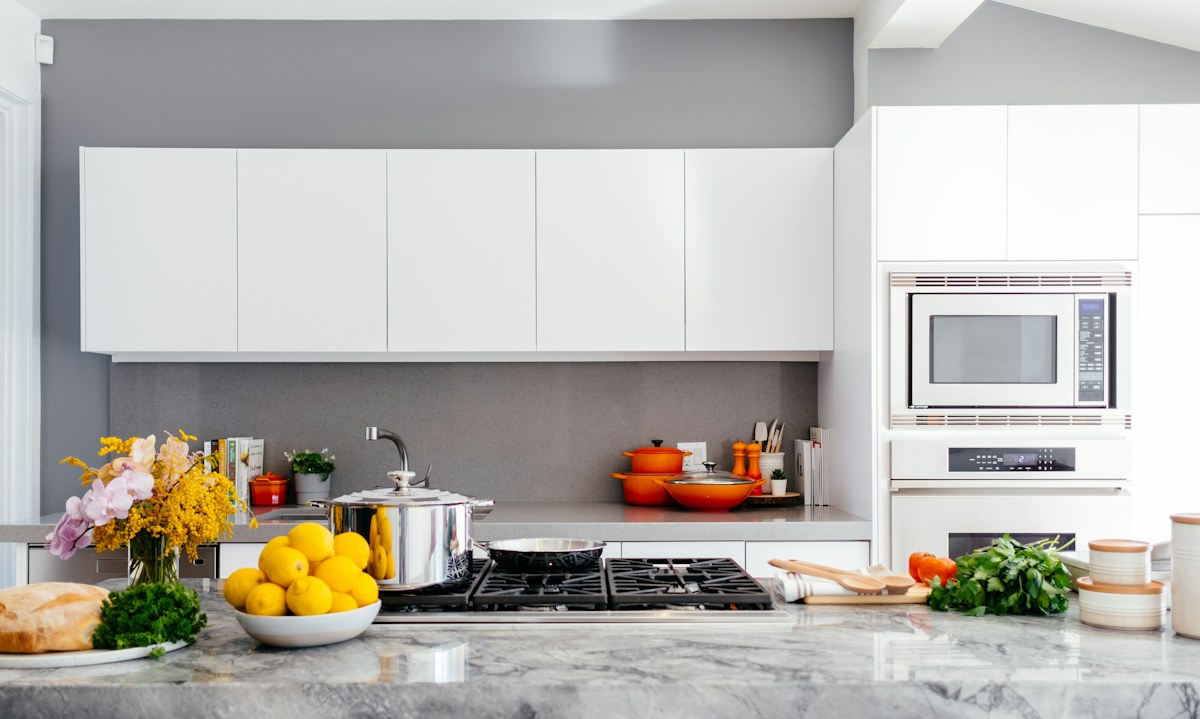
Lower Kitchen Cabinet Organization: Avoid Hidden Stacks
Practical kitchen cabinets for small kitchen planning: measure the usable space, protect access, compare fit and choose storage that supports a small kitchen routine.
SPACEKINDLYSmall KitchenA Kitchen Junk Drawer: Keep Useful Small Items and Remove the Rest
Practical best junk drawer organizer planning: measure the usable space, protect access, compare fit and choose storage that supports a small kitchen routine.
SPACEKINDLY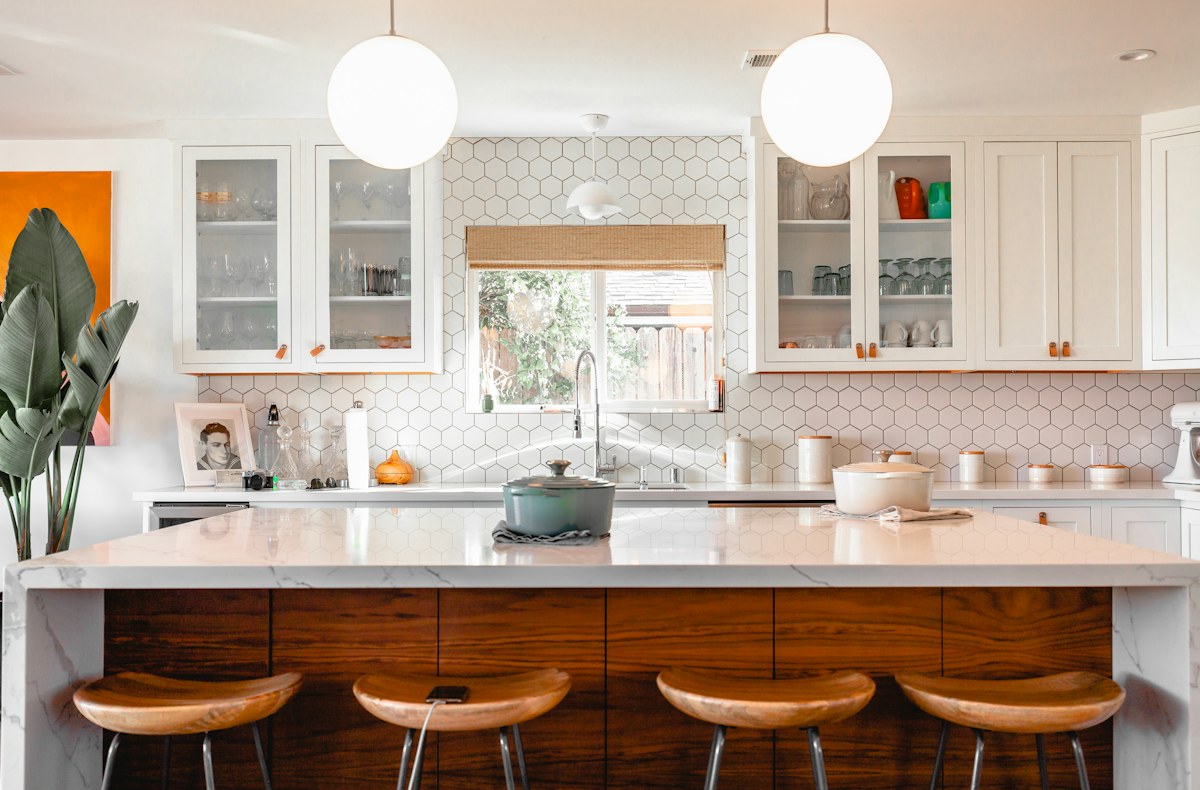 Small Kitchen
Corner Kitchen Cabinet Storage: Choose a Retrieval Method
Practical small corner cabinet for kitchen planning: measure the usable space, protect access, compare fit and choose storage that supports a small kitchen routine.
SPACEKINDLY