
Small Bathroom Storage Ideas for Counters, Walls and Under the Sink
Clear a small bathroom by giving the counter, sink cabinet, shower and wall separate jobs while preserving access for cleaning and maintenance.
This page contains affiliate links. As an Amazon Associate I earn from qualifying purchases.
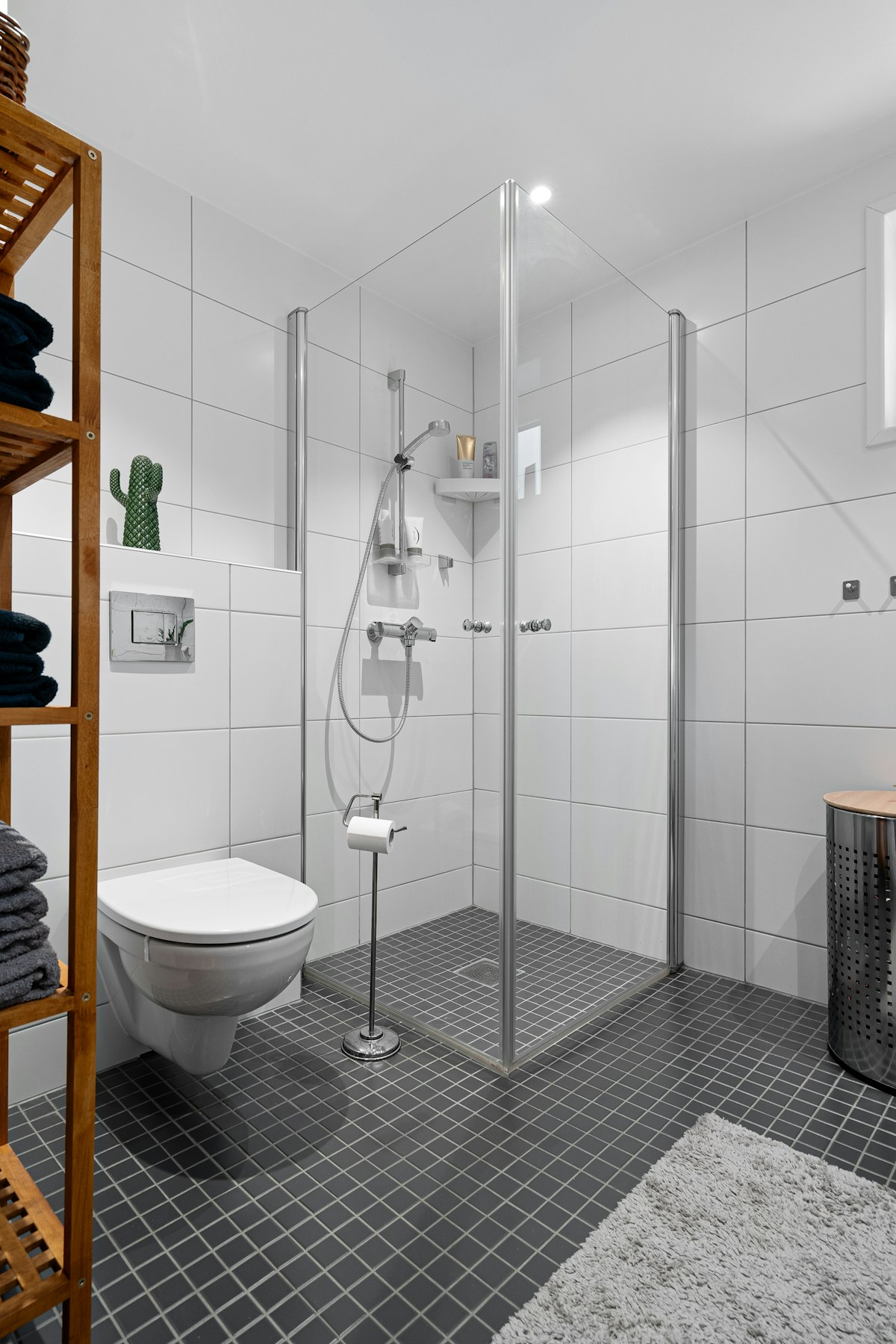
A bathroom counter usually mixes three inventories: items used at the sink, products used in the shower and spare supplies waiting for later. Separate them before choosing a holder or shelf. the actual room becomes easier to clean when each inventory has a suitable zone and the fixtures remain usable, rather than when every wall gains another container.
Give the sink, shower and spare supplies different jobs
In a hypothetical shared bathroom, one person uses an electric toothbrush and the other several small skincare bottles. Start with the daily sink items, then allocate shower bottles to the shower and spare packs to suitable dry storage. Do not size the countertop organizer around every spare item the household owns.
| Zone | Keep here | Move elsewhere | Check |
|---|---|---|---|
| Sink counter | A limited set of daily items | Spare packs and occasional accessories | Cleaning access, splashes and space around controls |
| Shower | Items actually used while showering | Backup bottles and unsuitable dry supplies | Mounting conditions and door or hose clearance |
| Under sink | Suitable grouped supplies with clear plumbing access | Items that cannot tolerate the conditions | Leaks, fittings and household chemical safety |
| Wall storage | Suitable light items that remain safely reachable | Objects placed where a fall would create a hazard | Fixings, load guidance and permission to install |
A counter that fills up again after cleaning
List the objects that return during the next ordinary morning. preserve the ones used there and relocate the rest. A toothbrush holder may separate brushes and toothpaste, but check the opening dimensions against your brush handles and whether the base can be cleaned. It does not solve overflow caused by spare bottles. An existing small tray may already do the job.
A bathroom with no suitable wall installation
Keep the plan centred on existing surfaces and compatible cabinet storage. Do not replace a prohibited wall shelf with an adhesive accessory unless that accessory also permits the surface and setting. For shower-specific mounting, rely on the shower caddy decision table; for the toilet zone, compare racks and wall shelves.
The countertop holder, QEEIG shelves and clear pull-out organizer below serve different zones. Choose only the unresolved zone's candidate after checking the exact listing. This overview does not rank their durability or claim that all three should be installed. Preserving a clear washable counter may be the better result.
A shared bathroom benefits from a limited daily allocation for each person. For example, give each brush its own cleanable position and place only the products used at the sink nearby. Put backups in suitable separate storage. When the counter fills again, identify the particular object that has no return location rather than expanding the holder automatically. The repair may be a smaller stock of duplicates or a better cabinet category. A tidy counter is easier to maintain when it can still be wiped without moving a large collection of accessories.
If the answer to one of these is no, fix that point before ordering another shelf. A small bathroom works better when each zone has a clear job and enough free space to do it.
List the things that need to stay in this room
Put daily sink items, shower products, spare toiletries, towels and cleaning supplies into separate groups. Check how often each group is used. A hair appliance you use once a week does not need to live on the counter; a toothbrush does. Remove packaging and empty containers. Do not relocate medicine to a humid cabinet without checking its storage instructions. The bathroom is a convenient place for some items, but it is not necessarily the safest place for everything you own.
Before shopping, observe the morning routine. Does someone put makeup on at the sink while another person needs the mirror? Do wet towels get placed on the door because the existing rail is blocked? Is the counter crowded by backup bottles or by items genuinely used every day? Your answers determine whether to add a small counter tray, change the towel location or make room in a cabinet. Organizers are useful only when the routine has a clear home for each object.
Make the counter easy to wipe
Limit the counter to day-to-day essentials and give them one defined footprint. A shallow tray can group a soap dispenser and a few small containers, but check that it does not block the faucet, drain or plug. A tall tiered shelf on a narrow vanity can obscure the mirror and make the sink feel cramped. If the counter has almost no flat area, consider a wall-mounted holder where the wall material and installation allow it. Do not add a container just to store an empty space.
Leave a clear strip beside the basin for setting down an item temporarily. That small landing area matters when washing your face or cleaning the sink. Keep electrical devices away from water according to their instructions and local safety requirements. Avoid a tangled cluster of cords on the counter. If you need a daily hair tool nearby, think about a safe, dry storage location and how it cools before being put away.
Use the sink cabinet around its plumbing
Open the cabinet and check for moisture before adding shelves. Measure the clear spaces on each side of the drain and the height beneath the basin. A pull-out can make deep storage easier to reach, but it needs space to extend beyond the door hinge. A fixed adjustable shelf can work around pipes, yet it may trap bottles at the back. Our under-sink bathroom guide covers those measurements and tradeoffs in detail.
Keep the water shutoff valves accessible. Put part of the daily routine supplies near the opening and light backup items farther back. Keep chemicals in original labeled containers, and consider whether they should be secured from children or pets. A cabinet that holds every spare bottle but hides a slow leak is not an improvement. Leave enough clear floor to spot moisture and remove the trap or valve cover for maintenance.
Choose a wall location with purpose
A shallow shelf above the toilet may hold spare paper or a small basket, but the tank lid still needs to come off. A freestanding rack needs floor clearance and may require a wall restraint and appropriate anti-tip restraint. Before choosing either, measure the tank height, lid movement and your reach. Our over-the-toilet comparison helps decide which approach fits a particular room.
Other walls may be more useful. A narrow area beside the mirror can take a small shelf if the door and light fixture clear it. Hooks can keep towels accessible, but check that they do not leave wet fabric pressed against a wall. Do not mount items over an outlet or block an access panel. apply the correct fasteners for tile, drywall or masonry and follow installation instructions. In a rental, ask before drilling and check whether removable mounts are rated for the actual surface and load.
Keep shower storage in the shower only for daily use
A shower caddy should carry the bottles you actually use, not a full inventory of backups. Check that its mounting method fits your tile, door, pole or fixture; a smooth-tile adhesive design may not hold on textured surfaces or grout. Measure the tallest pump bottle and check that the shower door still moves. Our shower caddy guide gives a separate fit check for wet conditions.
Water drainage matters. A basket that stays wet or collects soap is harder to maintain than a simpler shelf with enough air around it. Rinse and clean storage as part of the normal shower routine. If toiletries repeatedly fall to the floor, the issue may be insufficient shelf space or poor placement, not a need to add more products. Move rarely used bottles to a safe cabinet first and reassess.
Plan for towels and shared use
Towels need space to dry. A decorative basket holding damp towels can create odors; a hook or rail with airflow may be more useful. If two people share the bathroom, give each person a predictable place for their daily kit, even if both use one drawer. Labels are helpful only when closed containers make contents hard to see. Place supplies at heights users can comfortably reach without standing on a wet floor or stretching across the toilet.
Do a one-week trial before adding a second organizer. Watch for the recurring pile: extra rolls on the tank, cosmetics by the faucet or towels behind the door. Move that one category to a better location, then check whether the room feels easier to use. The goal is not to turn every wall into storage. It is to keep the counter available, the floor clear and the things you need at hand.
A quick room audit
- Can the sink and counter be wiped without moving many containers?
- Can the cabinet valves and toilet tank still be reached?
- Can towels dry and the shower door open fully?
- Are everyday items accessible to the people who use them?
- Are cleaners stored in their original containers and kept appropriately secure?
Finish the arrangement for Small Bathroom Storage Ideas for Counters, Walls and Under the Sink
Keep daily sink and shower items in their own zones, and move backups to suitable storage. A bathroom plan succeeds when cleaning and fixture access stay straightforward, even with some walls left empty.
Give the counter a job, then clear the rest
Leave the tools used for daily food preparation within easy reach. Move duplicates and occasional appliances to measured cabinets, rather than buying containers for everything on display.
Before choosing a shelf riser or narrow cart, open cabinet doors and drawers fully. A clever organizer that blocks the work zone is not an upgrade.
A quick decision checklist
- Measure the exact location, including the available area needed to open doors, lids or drawers.
- Confirm the selected product variant and dimensions on the current manufacturer's listing.
- Consider cleaning, accessibility and whether the item can be returned or moved if the layout changes.
- Choose the simplest option that removes a recurring inconvenience rather than adding storage for its own sake.
Related guides for the next decision
In any small bathroom storage ideas for counters, walls and under the sink plan, different rooms often compete for the same limited storage. These guides address adjacent choices without assuming that every home requires another product.
- How to Organize a Small Closet Before Buying More Organizers — Sort the closet before ordering an organizer: return active hanging clothes, assign folded categories to usable
- How to Organize a Small Bedroom Without Filling Every Wall — Clear the door-to-bed route and drawer-opening areas first, then give recurring belongings suitable homes.
- Shoe Storage for a Closet: Shelves, Boxes and Door Pockets — Keep daily shoes visible and reachable, and reserve labeled boxes for suitable occasional footwear.
- How to Organize Under a Kitchen Sink Around the Plumbing — keep the kitchen under-sink cabinet focused on suitable dishwashing and cleaning supplies, with valves, wiring
- Shoe Storage for Small Spaces: Cabinet, Bench or Door Organizer? — Choose a shoe cabinet for suitable pairs you want contained, a bench when approved seating is genuinely needed
- Hanging Closet Shelves for Clothes: When They Help and When They Sag — Hanging closet shelves help when folded clothing needs compartments and a compatible rod has a clear installed
Product candidates for Small Bathroom Storage Ideas for Counters, Walls and Under the Sink

2 Packs Under Sink Pull-Out Storage Organizers, 12.8 Inches, Black
Chosen for Small Bathroom Storage Ideas for Counters, Walls and Under the Sink: it works around the trap and the awkward volume under a sink. Check the mounting surface, the weight the listing allows and the drying clearance.
VIEW AT AMAZON.COM
Veken Shower Caddy 6-Pack with Hooks, Bathroom Organizers & Storage, Black
Matched to Small Bathroom Storage Ideas for Counters, Walls and Under the Sink: it carries the routine to the point of use instead of leaving it on a counter. Confirm the fixing type suits the tile or wall you have and that water can drain away.
VIEW AT AMAZON.COM
12 PACK Multi-Use Clear Plastic Storage Bins for Organizing w/Labels - Home, Kitchen, Pantry, Bathroom, Office, Cabinet Shelf Organizer Bins - SOHO Co
Shortlisted for Small Bathroom Storage Ideas for Counters, Walls and Under the Sink: it separates categories by level so a single reach does not disturb the rest. Verify the internal width against the bottles and tools it has to hold.
VIEW AT AMAZON.COMKeep exploring
 Bathroom
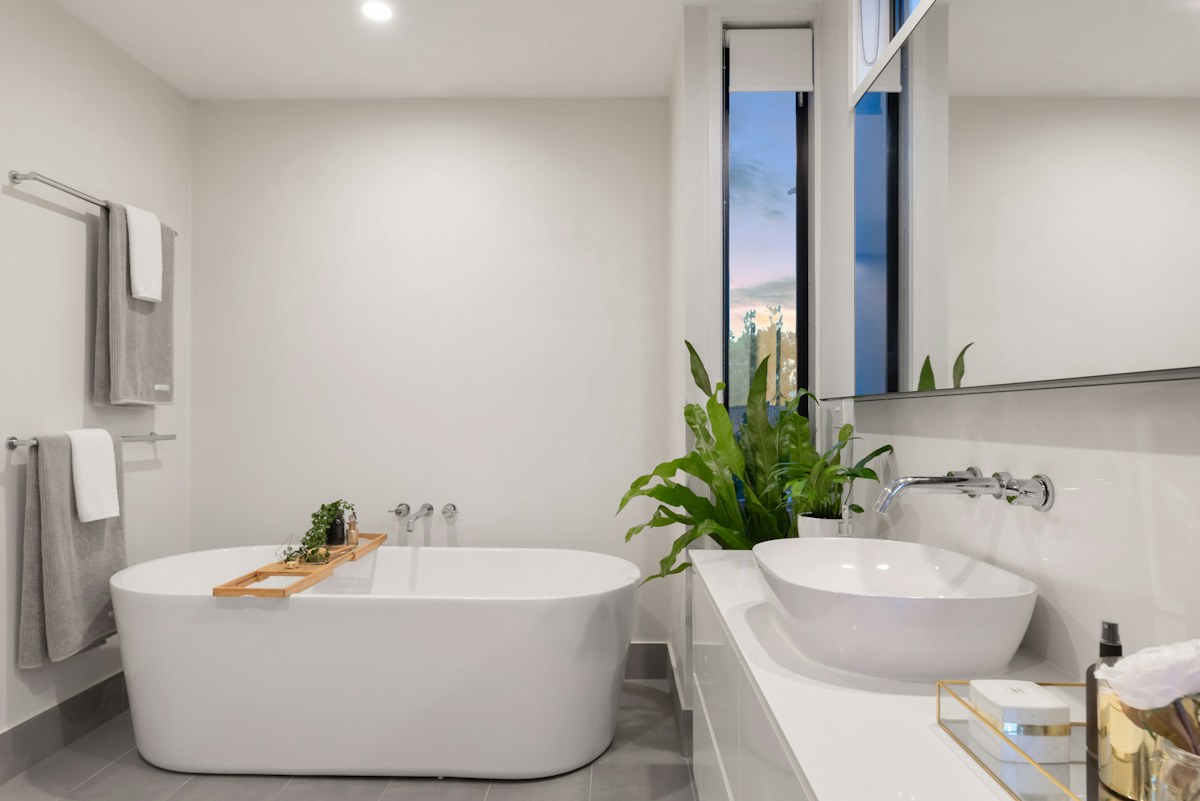
Bathroom Countertop Organizers: Keep Only Daily Items Beside the Sink
A practical guide to best bathroom countertop organizer, focused on fit, access, measurements and buying conditions.
SPACEKINDLY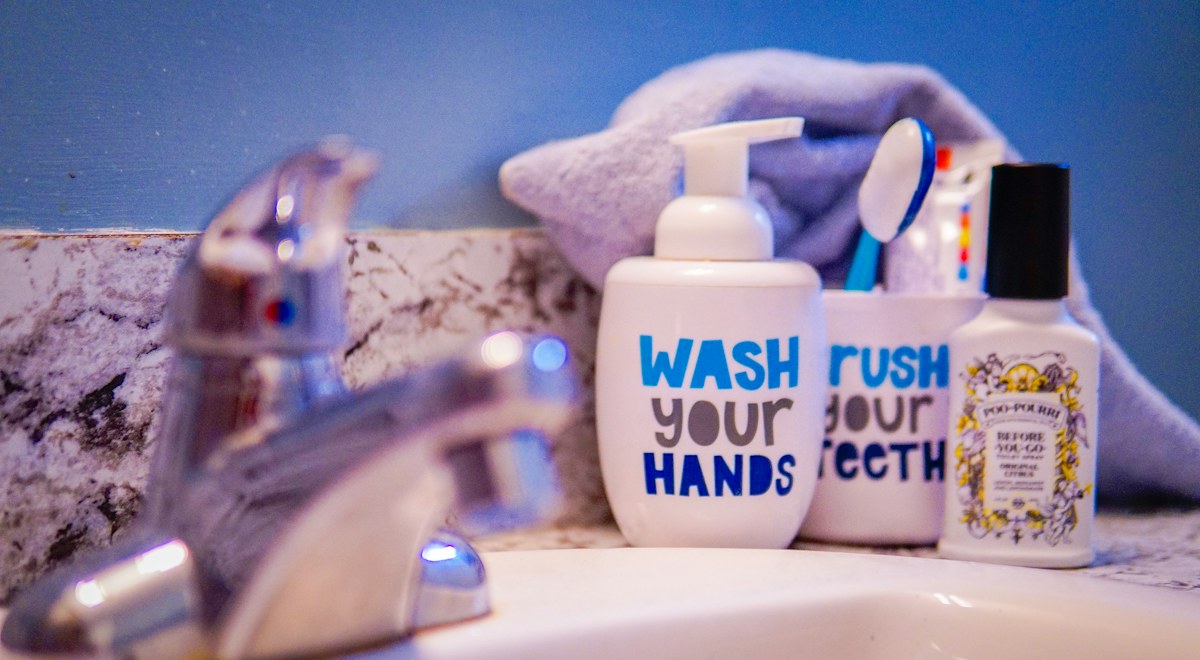 Small Bathroom
Under-Sink Bathroom Storage Around Pipes and Cleaning Supplies
Map the clear spaces beside and in front of the bathroom plumbing, then choose storage that fits both the closed position and removal path.
SPACEKINDLY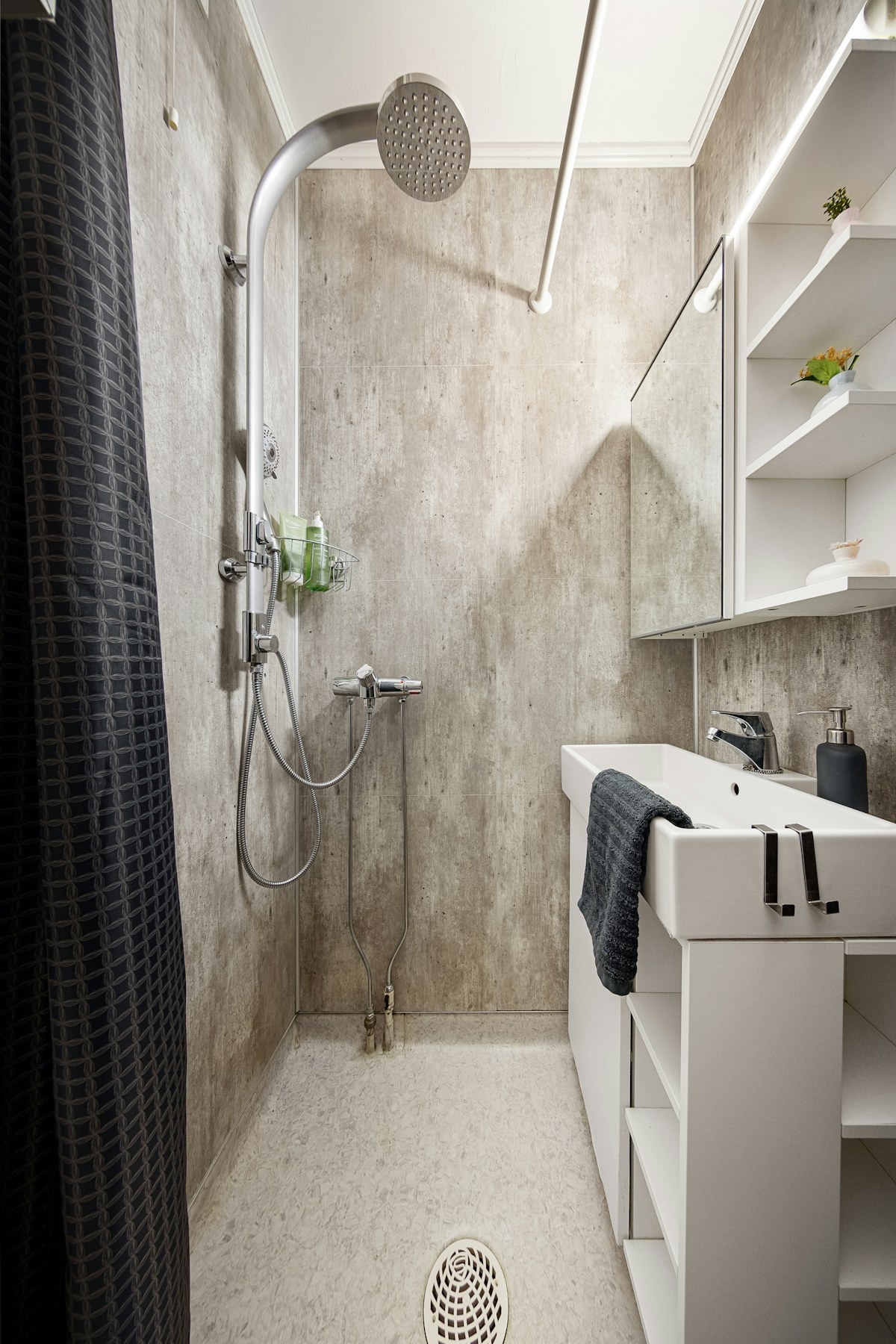 Bathroom
Under-Sink Storage That Leaves Leak Checks Easy
A practical guide to bathroom under sink leak access, focused on fit, access, measurements and buying conditions.
SPACEKINDLY